
Native Planting Guide
Whether you’re interested in a woodland landscape, rain garden, or just want to include more native plants in your yard, we can help you make a place that you and the wildlife will love.
Why Native plants?
You can benefit from planting native varieties in many ways; you may even have some in your landscaping without realizing it. Many people see native plants as weedy, but with the right design, you can create beautiful landscapes that need little to no maintenance. Examples of native landscapes include pollinator gardens, rain gardens, hummingbird gardens, finch gardens, and many more for you and native wildlife to enjoy.
Native plants suited to site conditions do not need soil modifications or fertilizers, and once established, can thrive without regular watering. The deep roots of many native plants increase the soil's capacity to store water. This helps reduce water runoff, so planting native rain gardens is a great way to prevent flooding. Native plants use less water and are hardier than non-natives, reducing maintenance costs for irrigation, fertilizers, and pesticides. They are the foundation of biodiversity and support food chains in nature. Native plants nurture important pollinators such as bees, butterflies, and hummingbirds.
Native plants create a distinctive sense of place, preserving the natural character of your region and setting you apart. They provide nectar, pollen, and seeds for insects, birds, and other animals. Native plants also host many insects we enjoy seeing in our gardens, such as butterflies, while common horticultural plants do not offer these benefits and often require pest control to survive.
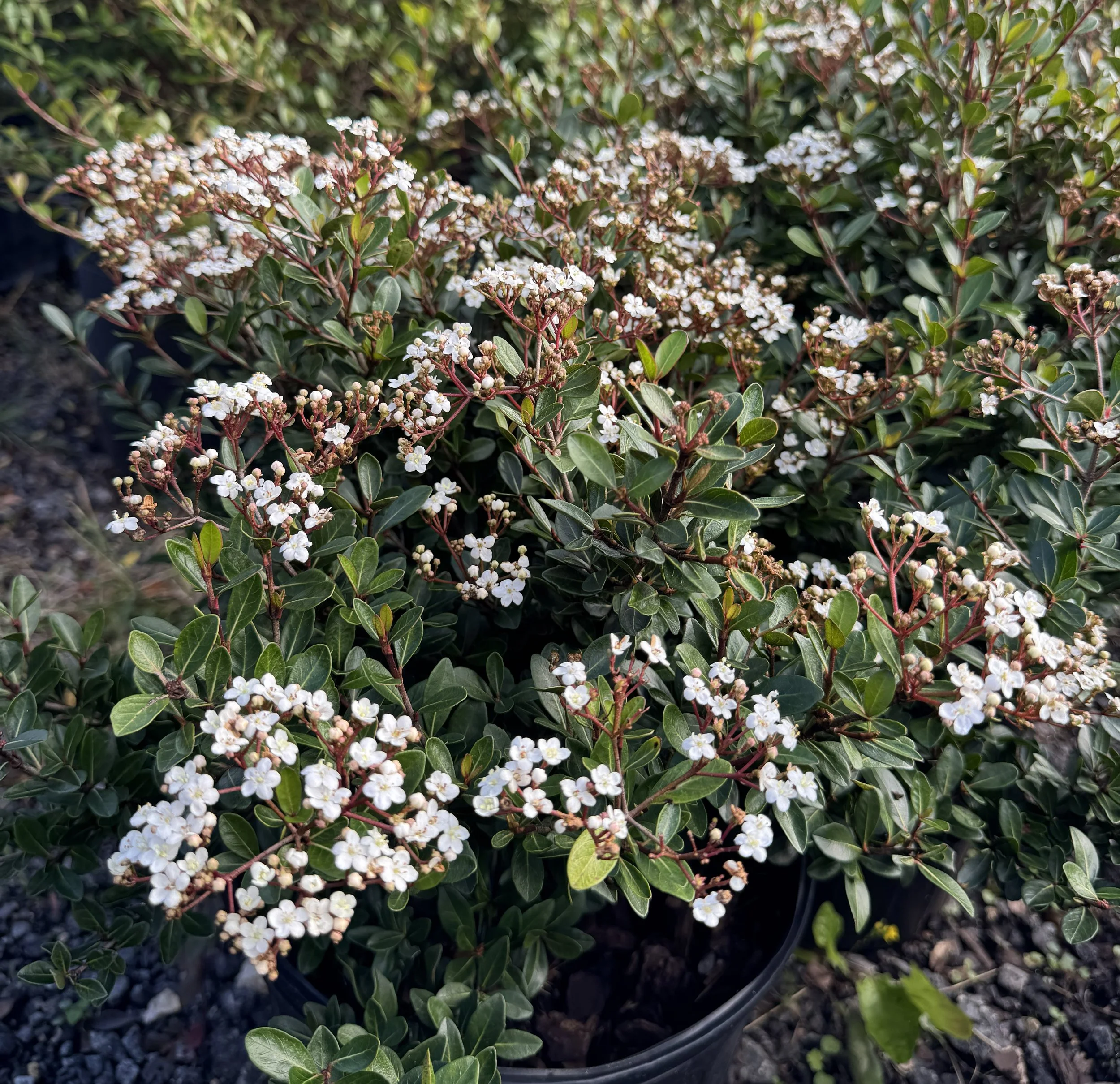
Mrs. Shillers Delight or Mrs. Shillers Vibernum is a low growing shrub that stays evergreen in the south. It requires light pruning and is compact, growing around 3-6 feet high. It makes a great border or screen for pollinator gardens and is tolerant of drought and deer.
Growth Habit: compact bush,3-6 feet high and 6 to 12 feet wide.
Native Origin: North America
Hardiness Zone: 6-9
Environment Needs: Full sun to Part shade
Drought Tolerant
Hurricane Wind Resistant
Growth Rate: fast
Maintenance: Little shaping is required as it naturally forms a ball shape with its green foliage. You can train it to grow as a small tree if the lower branches are pruned.
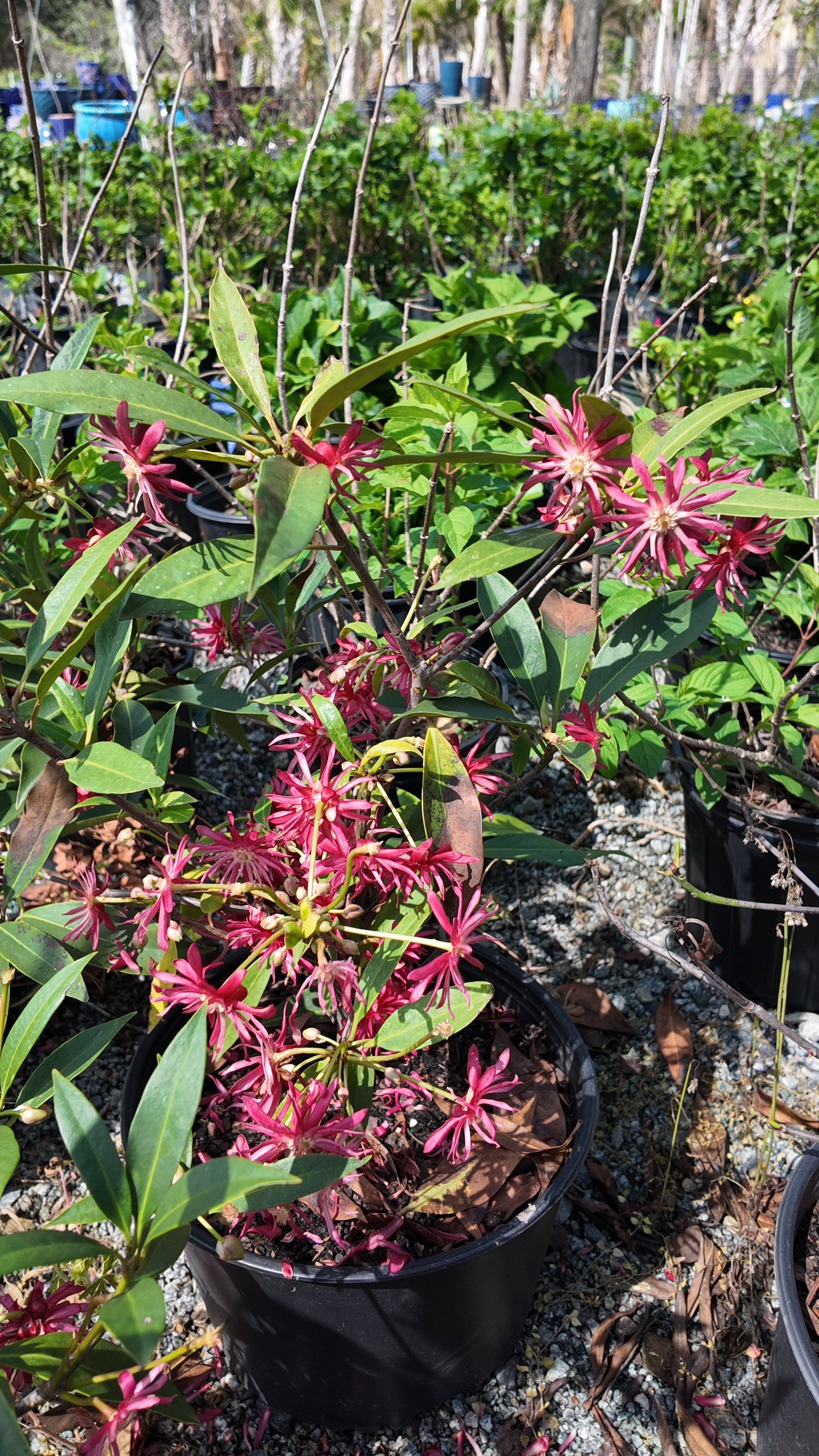
An evergreen shrub with glossy, aromatic leaves and star-shaped, red flowers that bloom in late spring. Great for shady borders, woodland gardens, or foundation plantings. Tolerates deer and pest pressure.
Growth Habit: Shrub,5-8ft high by 4-6ft wide
Native Origin: Southeast United States
Hardiness Zone: 7-10
Environment Needs: Full Shade, Part Shade
Prefers well-draining, organically rich soil.
Toxic to Humans
Growth Rate: Medium
Maintenance: Protect from winter conditions as Woodland Beauty is not cold hardy. Trim to control height.

An evergreen shrub with fragrant, aromatic leaves and blue-gray berries that attract wildlife. Grows 6-10 ft tall with a loose, upright form. Prefers full sun to partial shade and moist, well-drained soil. Great for habitat restoration or a woodland themed landscape. Berries attract birds making it great for bird gardens.
Ideal for hedges, screens, or as a specimen plant. Tolerates salt and drought, making it great for coastal areas.
Growth Habit: Shrub, 6-12ft wide by 20ft high
Native Origin: Native through Central America and Mexico
Hardiness Zone: 7-11
Environmental Needs: Full Sun, Part Shade,
Growth Rate: Moderate
Maintenance: Requires constant moisture to establish root system. Highly adaptable
Browse our selection of Native Plants

Dahoon is typically a small, evergreen tree. Stiff, oval, evergreen leaves are glossy, medium-green. The greenish-white, axillary flowers are inconspicuous, while the 1/4 in. diameter fruits, some persisting until spring, range from bright-red to bright-yellow and can be produced in great quantities. Planted as an ornamental for the evergreen foliage and profuse red fruit used in Christmas Decorations. The common name is of American Indian origin.
Growth Habit: Ornamental Tree,40ft height by 8-12ft spread
Hardiness Zone: 7-11
Native Origin: Southeastern United States
Growth Rate: Moderate
Environment Needs: Part Sun, Shade, Full Shade
Maintenance: Little pruning is needed. Moderate water needs but tolerant moisture moisture-retaining soil, as it is a swamp native. Low toxicity berries.

A deciduous shrub known for its showy white flowers in late spring and striking red-purple foliage in fall. Grows 3-5 ft tall with a rounded, upright form. Excellent for hedges, mass plantings, or as an accent plant. Tolerates wet soil conditions and is great for rain gardens or pond borders.
Growth Habit: Spreading Arching, Deciduous, 4ft high by 6ft spread
Native Origin: Southeast United States
Hardiness Zone: 5-9
Environment Needs: Full Sun to part shade
Tolerant of heavy shade, Erosion Control, tolerant of clay, Pollinator.
Growth Rate: Moderate
Maintenance: Prefers slightly acidic, well-draining soil. If needed, Pruning should be done after flowering is done.
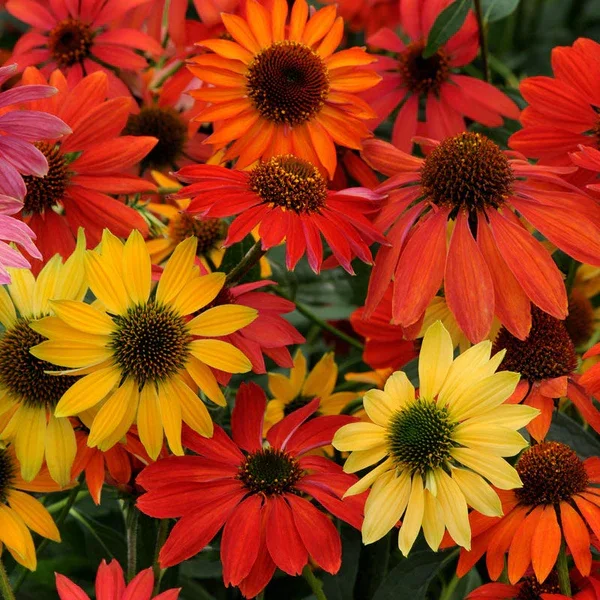
Echinacea ‘Cheyenne Spirit’ (Cheyenne Spirit Coneflower) provide a mix of flower colors including gold, scarlet, orange, rose-red, cream, purple and yellow. Buy three or more plants to get a colorful blend for your garden.
Growth Habit: Bushing, clumping 20-30inches high and wide
Native Origin: Native to Central to South America
Hardiness Zone: 3-9
Environmental Needs: Most coneflowers thrive in full sun; some tolerate light shade, especially in hot southern climates.
Deer resistant, drought resistant
Growth Rate: Moderate
Maintenance: Cut back to the ground, although some stems can be left to provide interesting shapes over winter, especially when frosted. Deadhead spent flower heads to prolong bloom time. In late winter or early spring, cut back dead growth before plants break dormancy.

Delaware Valley Azalea produces a dazzling display of lightly fragranced white bell shaped flowers and dark green, evergreen leaves. Bouquets of flowers are formed in tight clusters at the ends of each branch. These unique white flowers are soft and velvety to the touch and have a trumpet like shape. The striking, scented flowers attract butterflies to your garden.
Growth Habit: Bush, 3-4ft high by 4-5ft spread
Native Origin: Southeast United States
Hardiness Zone: 5-8
Environment Needs: Part Shade, Dappled Sun
Growth Rate: Moderate
Maintenance: Best Grown in acidic, organically rich soil. Deadheading and pruning are not required. Protection during winter is recommended for colder temperatures.
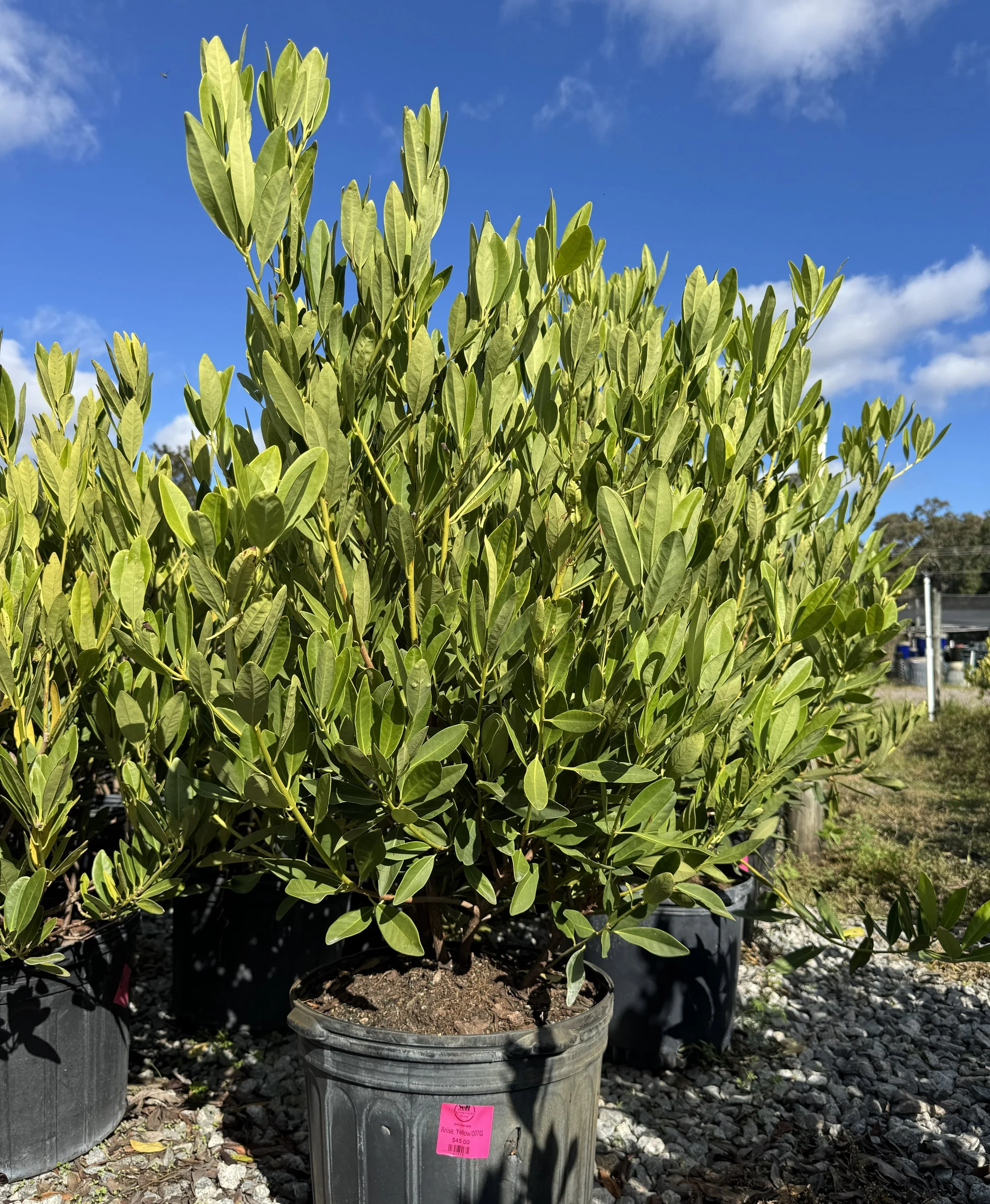
A slow-growing evergreen shrub, Yellow Anise grows 3 to 5 feet tall and wide. It has dark green, aromatic leaves and yellow star-shaped flowers in spring. Ideal for partial to full shade and well-drained soil. Perfect for adding fragrance and texture to shaded gardens.
Growth Habit: Dense Shrub, upright, Multi-stemmed tree, 10-20’ft tall and wide
Native Origin: Florida
Hardiness Zone: 7-11
Environmental Needs: Full to Part Sun, Prefers sandy acidic soils
Deer Resistant
Growth Rate: Moderate
Maintenance: Yellow anise can be pruned to any desired shape, making it great for a buffer, screen or hedge, or a specimen plant. Its foliage may thin out when grown in full shade. The plant is relatively pest-free but cannot tolerate salt or long periods of drought.