
Palm Trees
There are around 15 species of palms that thrive here in the low country. Palms need loamy sandy soil for good drainage and must be planted in an area they will receive full sun. Fertilize with Palm tone in the Summer. Some species of palms can grow up to 50 feet tall, while others top out at just 4 or 5 feet. Ensure your palm is planted in a location that won't compromise its growth or harm surrounding structures. Pruning is not required, but if desired, prune only brown, drooping, or dead fronds. Never cut green fronds, as over-pruning can seriously damage trees and cause stunted growth due to a lack of energy.
Palm installation depends on the variety and size of the palm and ranges from $250 to $1000 or more. Once your palm is selected, we would be more than happy to provide you with a final quote that includes the cost of the palm, installation, and delivery.
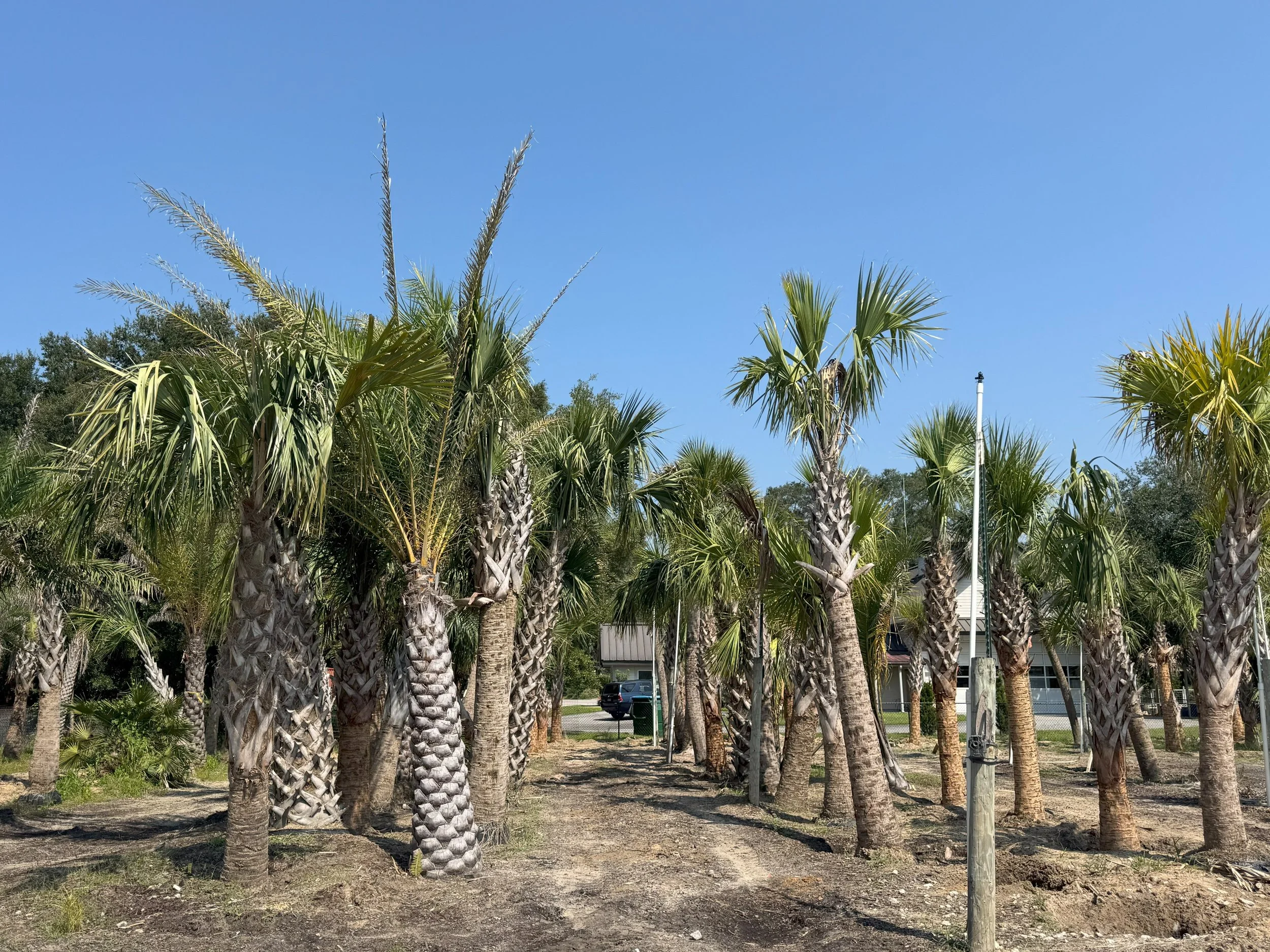

The Canary Island Date Palm is a striking and majestic palm native to the Canary Islands. Known for its large, arching fronds and tall, stout trunk, this palm is widely used in landscaping for its tropical appearance and dramatic impact. It is closely related to the Date Palm but tends to be larger and more decorative.
Growth Habit: The trunk is stout, columnar, up to 2 or 3 feet in diameter, with diamond-shaped leaf base scars. The crown of the tree has arching leaves that are up to 15 feet in length.
Native Origin: Canary Islands
Hardiness Zone: 9-11
Environmental Needs: Prefers full sun with afternoon shade and moist, well-drained, rich loamy soil or potting mix with a slightly acidic to neutral pH
Growth rate: Slow
Maintenance: It is intolerant of temperatures below 20 degrees Fahrenheit

Pygmy Date Palm (Phoenix roebelenii) is a small, elegant palm that features delicate, arching fronds with rich green, feather-like foliage. It has a slender, trunk-like stem and produces small, yellow flowers followed by small, reddish-brown dates in the right conditions.
Typically growing to 6-10 feet in height with a spread of 4-6 feet, it has a slow to moderate growth rate and prefers well-drained, sandy soil. The Pygmy Date Palm thrives in full sun to partial shade and is often used in smaller landscapes, containers, or as an indoor plant in tropical or subtropical climates.
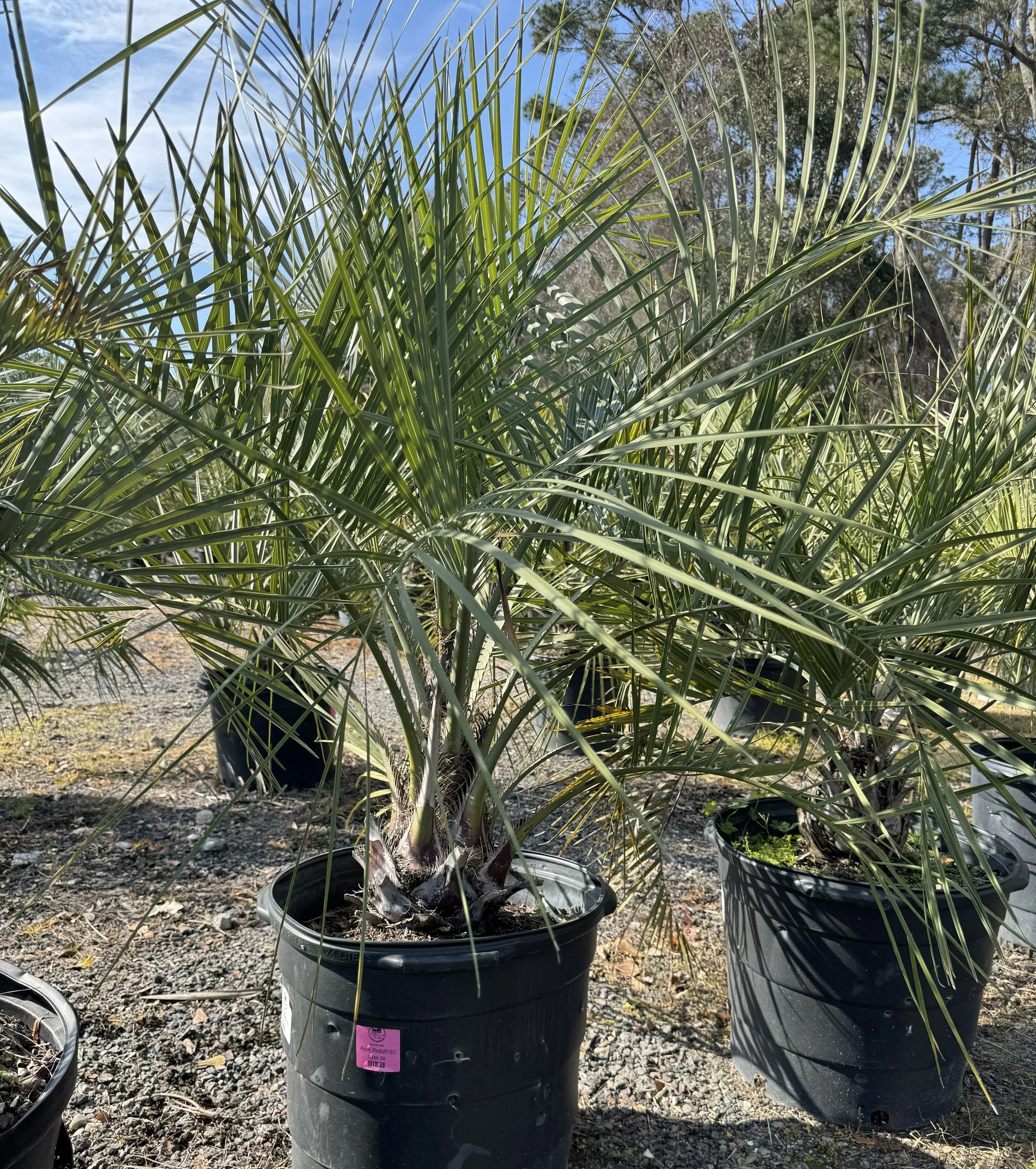
Pindo palms, scientifically known as Butia capitata, are native to South America, particularly Brazil, Argentina, and Uruguay. They are characterized by their slender, arching fronds and can grow up to 15 to 20 feet tall. Pindo palms thrive in well-drained soil and full sun, making them popular in landscaping. They are also known for producing sweet, edible fruits, sometimes referred to as "pindo dates," which can be used in jams and desserts.
Growth Habit: Upright, Arching, 15-20ft
Native Origin: South America
Hardiness Zone: 8-11
Environment Needs: Full Sun, 6-8 hours of sun per day.
Water your Palm 2-3 times per week for the first month, then once a week for the remainder of the first year after planting. Keep the soil moist but well-drained, watering more in times of drought and less when there is rainfall.
Growth Rate: Slow
Maintenance: Apply palm-tone, slow-release fertilizer close to the base of the tree at the start of spring.

The Sabal palm, also known as the Cabbage Palm, is a hardy, slow-growing palm native to the southeastern United States, particularly in Florida, South Carolina, and Georgia. It is known for its hurricane resistance and ability to thrive in a variety of soil and climate conditions.
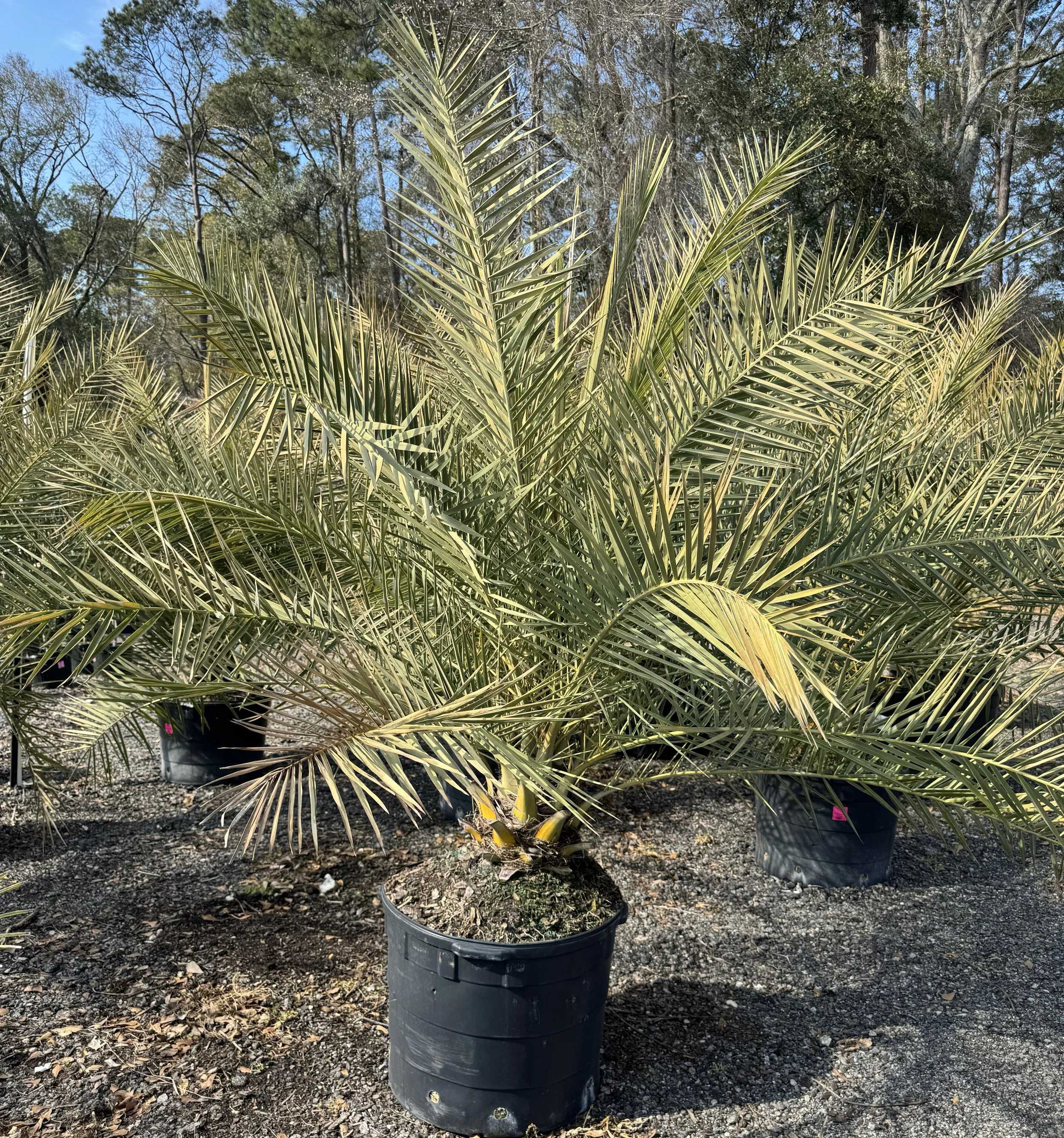
The Sylvester Palm, also known as the Indian Date Palm or Silver Date Palm, is a medium-sized palm native to India and Pakistan. It is closely related to the Date Palm (Phoenix dactylifera), and it shares many similar features, though it is typically more cold-hardy and smaller in stature. Known for its elegant, feathery fronds and silvery-blue leaves, the Sylvester Palm is a popular choice for both landscaping and container planting.
Growth Habit: Upright, arching, 40 ft high by 8-15 ft
Hardiness Zone: 8-11
Environmental Needs: Full Sun, Water your Palm 2-3 times per week for the first month, then once a week for the remainder of the first year after planting. Keep the soil moist but well-drained, watering more in times of drought and less when there is rainfall.
Growth Rate: Slow
Maintenance: Prune any fronds as they turn yellow or brown. This improves the look of your plant and creates clean space for healthier green fronds to grow. Be careful of the sharp spines and leaf tips when pruning your palm.
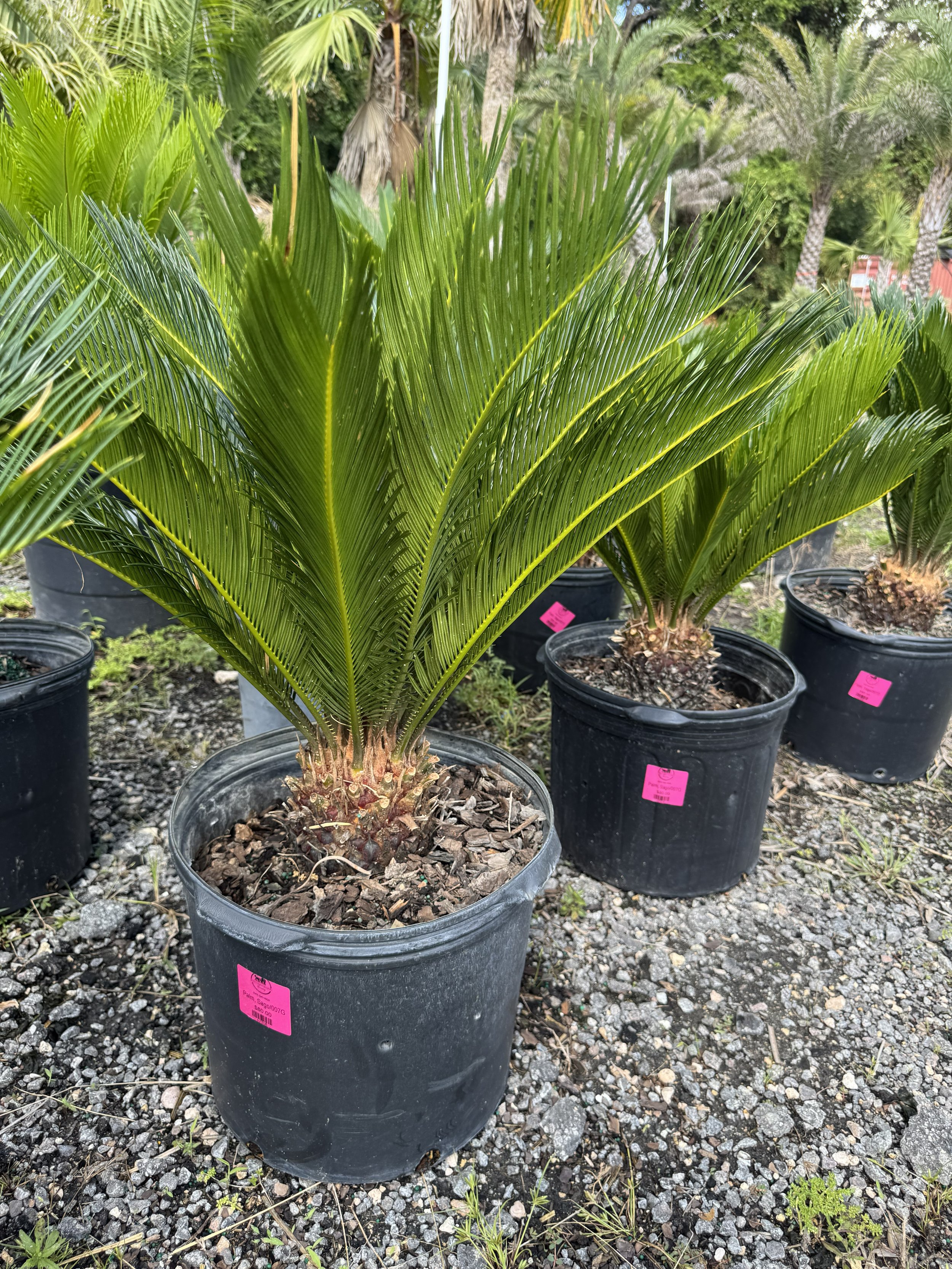
The Sago Palm, despite its name, is not a true palm—it is a cycad, an ancient plant species that dates back to the time of the dinosaurs. It is prized for its tropical, ornamental look, slow growth, and hardy nature, making it a popular choice for landscaping.
Growth Habit: Bold, arching, tropical 8-12 ft high by 6-8 ft wide
Native Origin: Japan, Southeast China
Hardiness Zone: 8-11
Environmental Needs: Full Sun, Bright Indirect Light
Growth Rate: Very Slow
Maintenance: For the first month, water twice a week. After it is established, water once a week unless it rains. Prune only dead or damaged fronds. Avoid removing any green or yellow leaves, as they are still producing nutrients for the plant. If planted outdoors, Sago Palms should be fertilized when newly planted and then three times a year in the Spring, Summer and Fall.
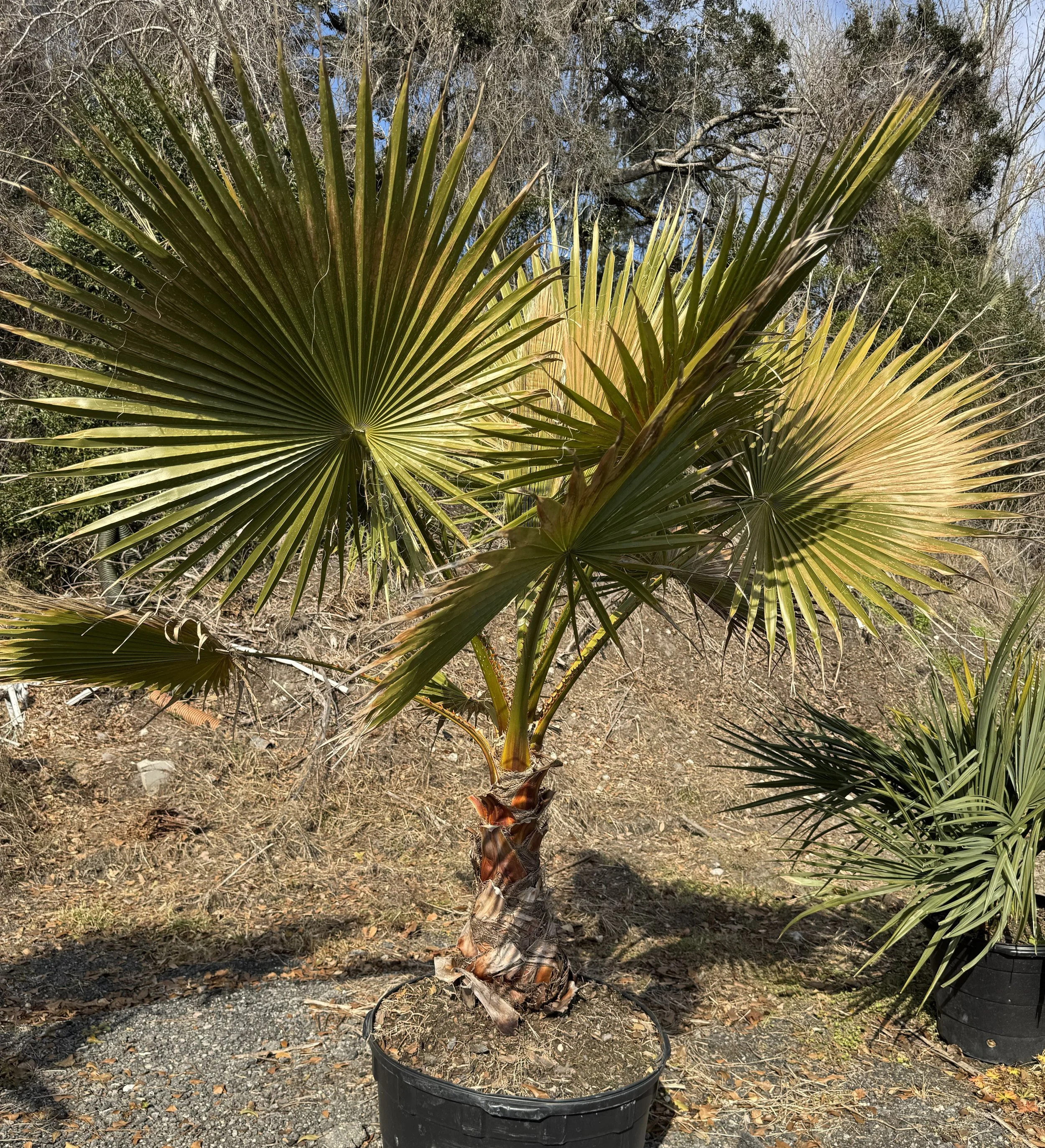
The Washington Palm is so fast growing, it can create a tropical look in record time. It is also one of the most cold-tolerant palms available. Its fan-shaped leaves give the plant its common name, the Mexican Fan Palm. Left in a natural state, the browned fronds form a petticoat of thatch, which many gardeners trim off. Once established, the palm is moderately salt and drought tolerant. It prefers a sunny, well drained spot, and loves a breezy location. If you are looking for a low-maintenance yet impressive addition to your garden? Look no further than the Mexican fan palm also known as Washington palm, Washingtonia robusta palm tree, desert palm and California fan palm.
Growth habit: Columnar, rounded, 50 ft- 100 ft. tall by 8 ft. - 10 ft. wide
Native Origin: Mexico
Hardiness Zone: 9-11
Environmental Needs: Full Sun, water twice a week during the first growing season, after that rain water will suffix.
Growth Rate: Rapid
Maintenance: Low maintenance, feed at the base with palm-tone in spring.

The European Fan Palm, also known as Chamaerops humilis, is a small, clumping palm native to the Mediterranean region. It is one of the hardiest palms, able to withstand cold temperatures and drought, making it a great choice for landscaping in a variety of climates.
Growth Habit: Upright, arching, clumping, 4-10 Feet high by 6-10 Feet tall
Native origin: Europe
Hardiness Zone: 8-11
Environment Needs: Full Sun, Part Sun
Growth Rate: Moderate
Maintenance: Feed month-to-month in springtime as well as in the summertime with Palm-tone. Do not feed in autumn and wintertime.
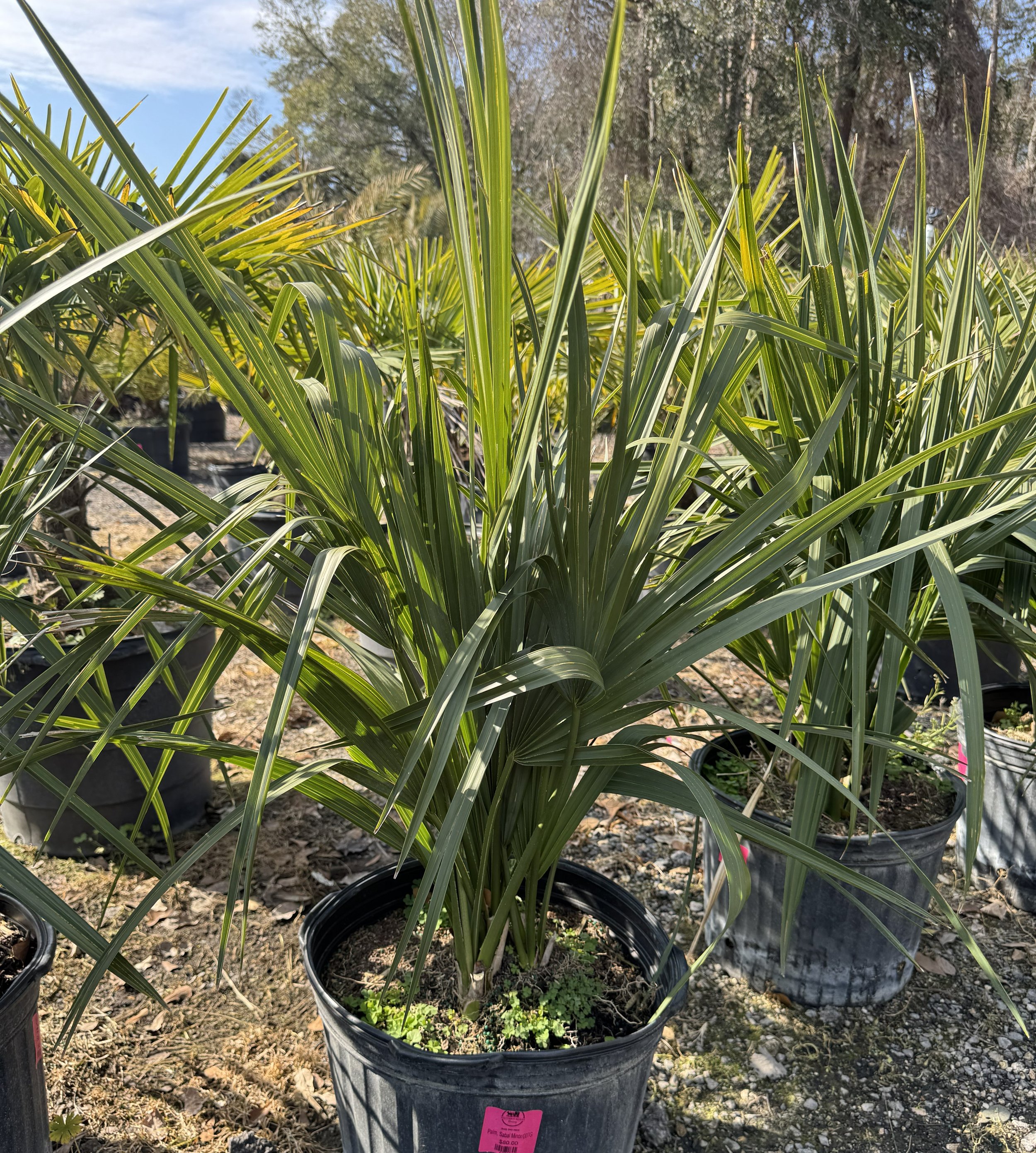
The Sabal minor, also known as the Dwarf Palmetto, is a small, cold-hardy palm native to the southeastern U.S., particularly found in Florida, Texas, and parts of the Carolinas. Despite its smaller size compared to other Sabal species, it’s a tough, low-maintenance palm that can thrive in a variety of landscapes, including shady, wet, and coastal areas.
Growth Habit: 2 ft- 10 ft tall by 4 ft- 6 ft.
Native Origin: North Carolina south to Florida, west to Arkansas and central Texas
Hardiness Zone: 8-10
Environmental Needs: Sun , Part Shade , Shade,
Deer seldom damage this plant.
Growth Rate: Slow
Maintenance: It prefers partial shade to full sun and neutral to alkaline, moist to wet soil, and is tolerant of poorly drained soils. It is somewhat drought tolerant once established and has a moderate salt tolerance. It grows very slowly, so buying larger plants will give more instant impact and satisfaction.
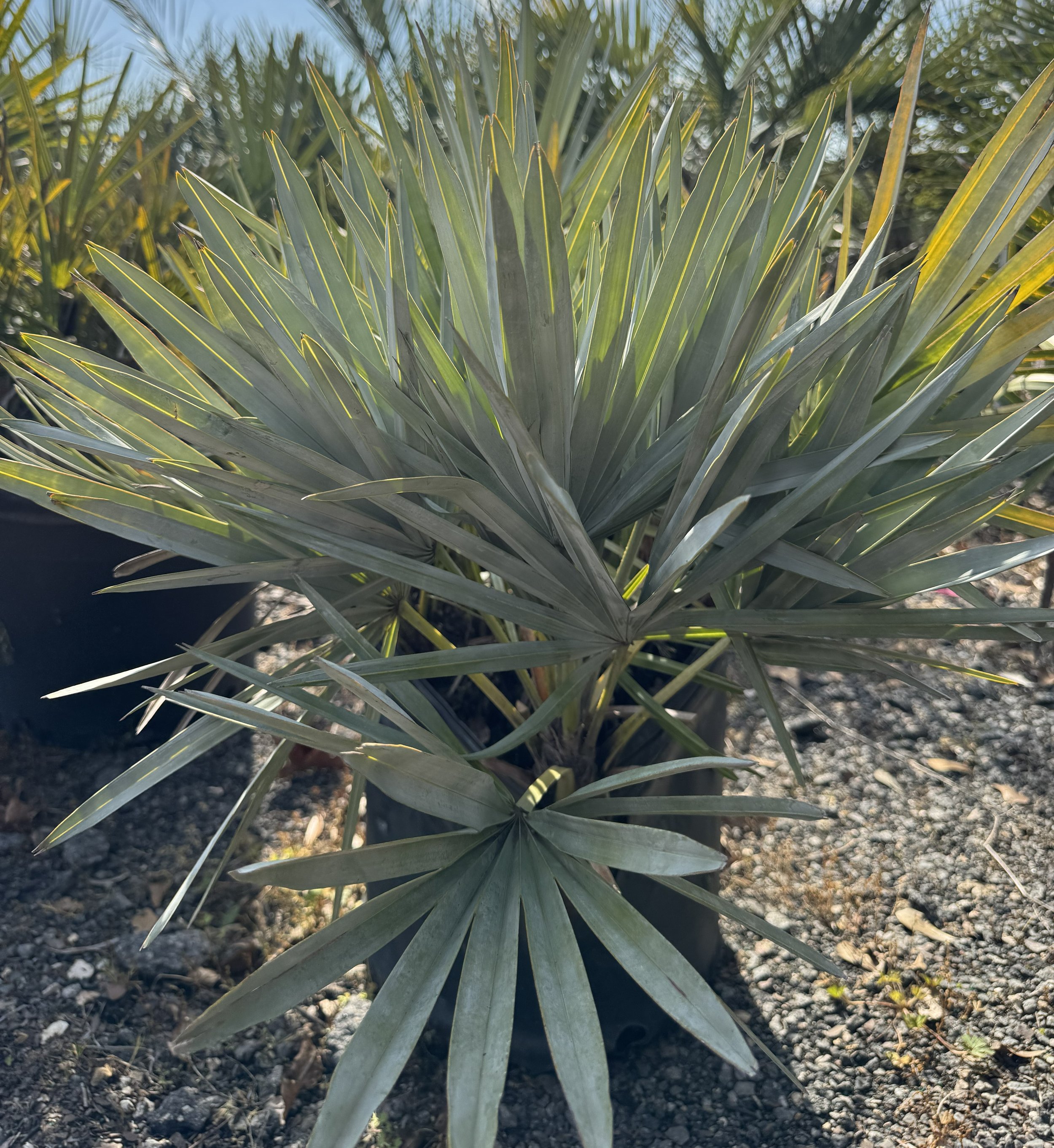
The plant's name Silver Saw Palmetto (SAW) refers to the teeth on the leaf stems. commanding attention, they thrive in indirect sunlight, it can also find its way indoor where it can be potted as an ornamental palm. Saw Palmetto is also very hardy and slow-growing plant that works well as a low-maintenance shrub resistant to resistant to diseases and pests, Cold-hardy and container friendly.
Silver saw will bring a stunning sight to behold with its silvery-blue fan-shaped fronds and mature creeping trunks. The Silver Saw Palmetto showy qualities will most likely end up being the focal star of your garden. It’s a great selection for northern gardeners who desire to pump up the tropical atmosphere with some unique color.
Growth Habit: Sprawling, Dense, 5 to 10 ft tall and spreads 4 to 10 feet wide.
Native Origin: South Carolina to Florida
Hardiness Zone: 8-11
Environment Needs: Full Sun, Part Sun
Growth Rate: Slow
Maintenance: Foliage color is better in full sun rather than shade. It is unfussy about soil type, but infertile soils should be fertilized to maximize the palm’s growth. This plant is moderately salt tolerant. Once established, it is both drought tolerant and flood resistant. This palm is remarkably untroubled by pests, making it one of the most care-free plants for southern gardens.
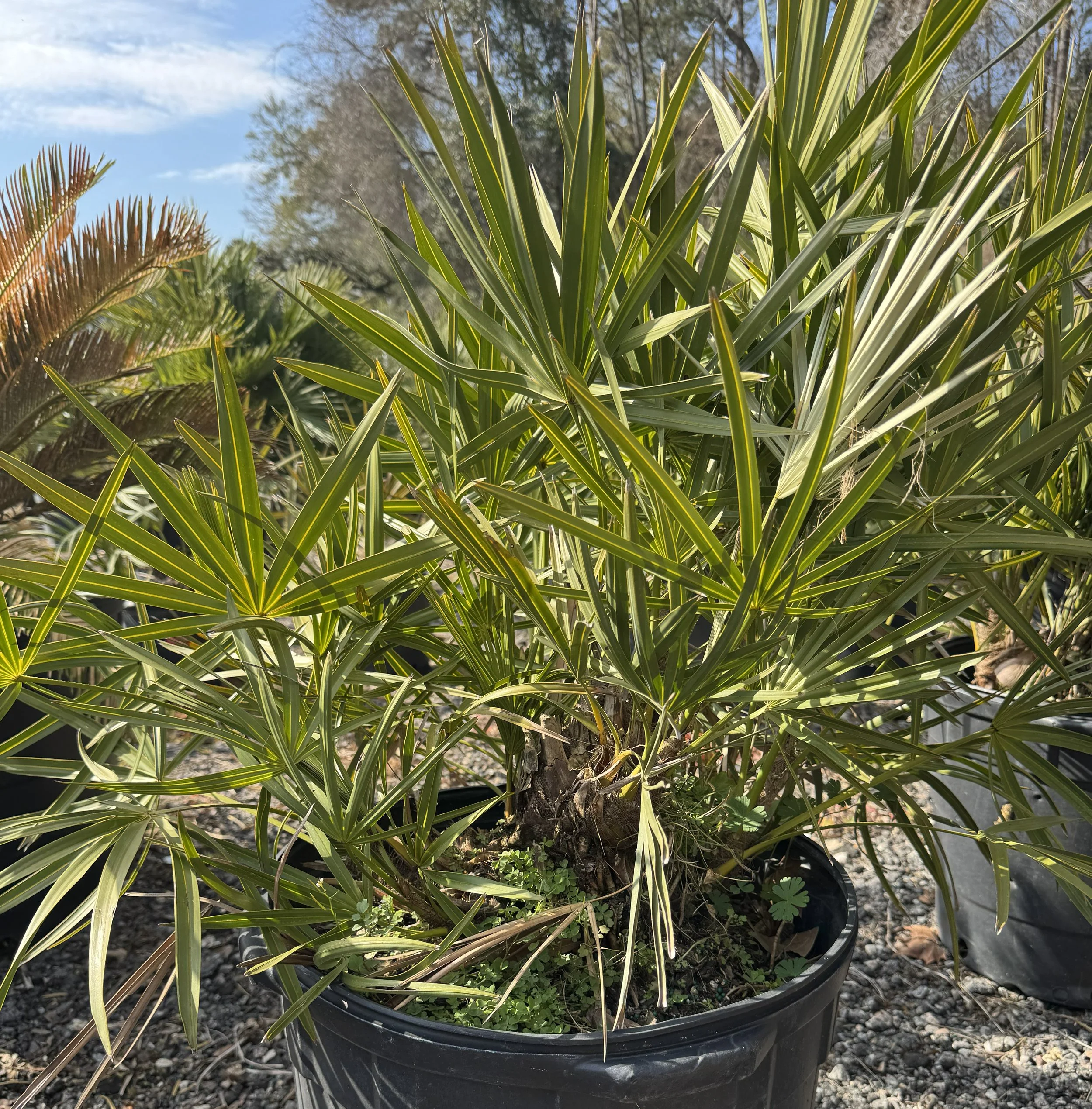
The Saw Palmetto is a hardy, low-growing palm native to the southeastern U.S., particularly in Florida, Georgia, and the Carolinas. It is well-known for its fan-shaped fronds, creeping growth habit, and resilience to harsh conditions. This palm is commonly used in landscaping, wildlife habitats, and even herbal medicine. This native plant tolerates a range of conditions and provides wonderful textural interest beneath new or established trees. And it’s highly salt-tolerant, making it ideal for coastal gardening. Saw palmetto has showy flowers in spring and summer, followed by large drupes that are attractive to wildlife. Saw palmetto is also resistant to damage from hurricanes.
Growth Habit: Sprawling, Dense, 5 to 10 ft tall and spreads 4 to 10 feet wide.
Native Origin: South Carolina to Florida
Hardiness Zone: 8-11
Environment Needs: Full Sun, Part Sun
Growth Rate: Slow
Maintenance: Foliage color is better in full sun rather than shade. It is unfussy about soil type, but infertile soils should be fertilized to maximize the palm’s growth. This plant is moderately salt tolerant. Once established, it is both drought tolerant and flood resistant. This palm is remarkably untroubled by pests, making it one of the most care-free plants for southern gardens.
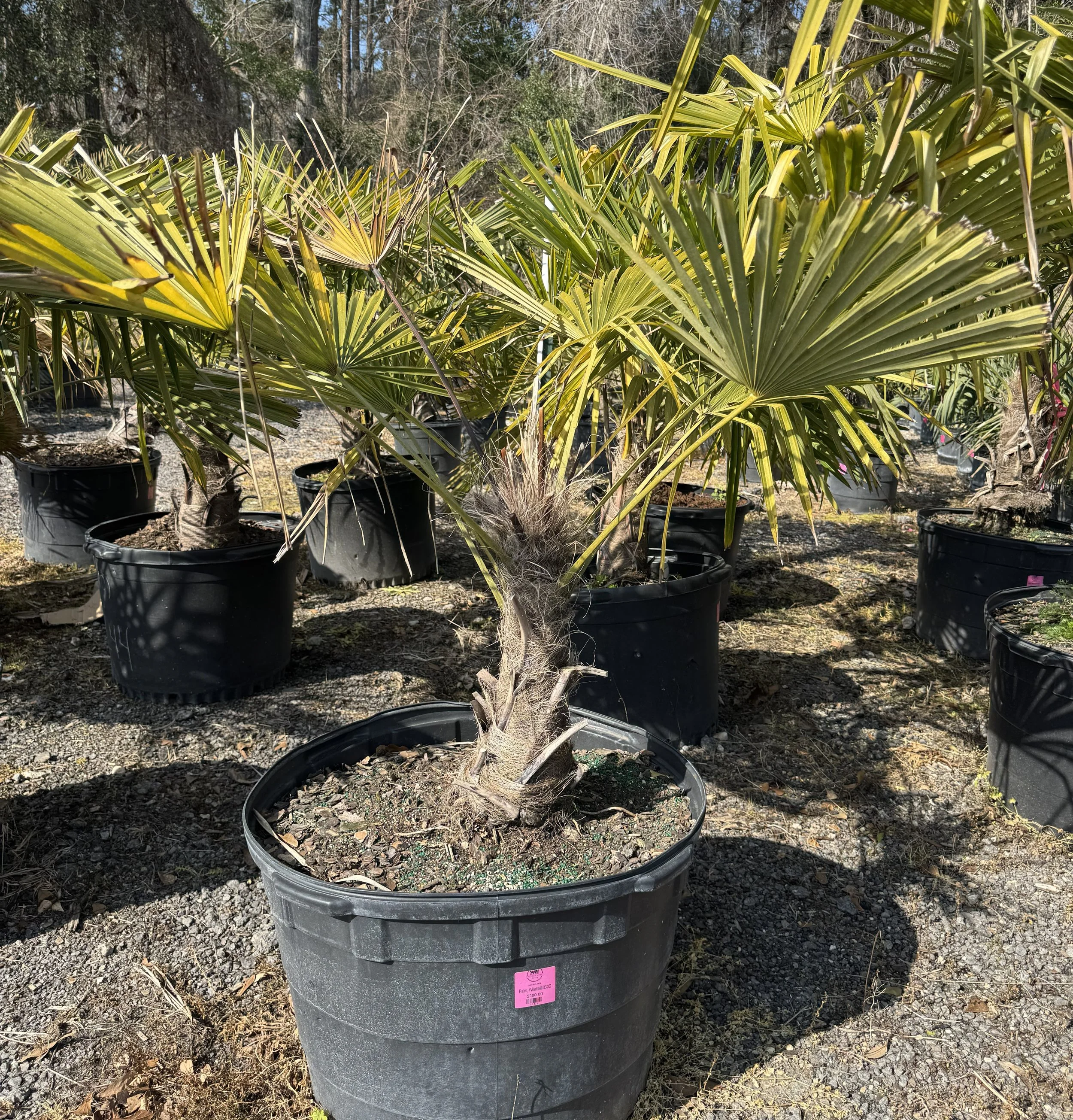
The Windmill Palm is a cold-hardy palm native to China, Himalayas, and parts of India. It is one of the most popular palms for colder climates due to its ability to withstand frost and snow, while still providing a tropical appearance. With its fan-shaped leaves and slender trunk, it’s a favored choice for both residential and commercial landscapes.
Growth Habit: Upright, arching, 20-40 ft tall by 6-15 ft by wide
Native Origin: Eastern China
Hardiness Zone: 7-11
Environment Needs: Full Sun, Partial Sun
Growth Rate: Slow
Maintenance: Fertilize with Palm-tone in spring

The Mule Palm is a rare hybrid cross between a Butia capitata and Syagrus romanzoffiana. This palm, just like the mule animal, is sterile and must be pollinated by hand. The pollination process tends to be tedious as the small flowers needed for reproduction reside on the plant’s spikes. Although compact enough for small courtyard gardens, with age the Mule Palm assumes majestic proportions, and in clusters or pairs will produce gracefully curving trunks and lush crowns reminiscent of the Coconut. These specimens are unique and carefully prepared X Butiagrus nabonnandii ideal for avenues, group plantings, or any landscape purpose.
Growth Habit: 20-25 ft tall and 15-20 ft wide
Native Origin: South America
Hardiness Zone: 8-11
Environmental needs: Full sun
Growth Rate: Moderate
Maintenance: Mule Palms are drought tolerant; they need very little water to survive once established. When newly planted, it needs to be watered twice weekly for up to two months. Once it is thriving and new fronds are growing healthily, reduce watering to once a week.Mules need the typical fertilization once every three months, and occasional trimming of the fronds once they become brown. It is important to wait until the fronds turn completely brown before removing them, as the palm is still getting nutrients from it until the very end.