
 Image 1 of 1
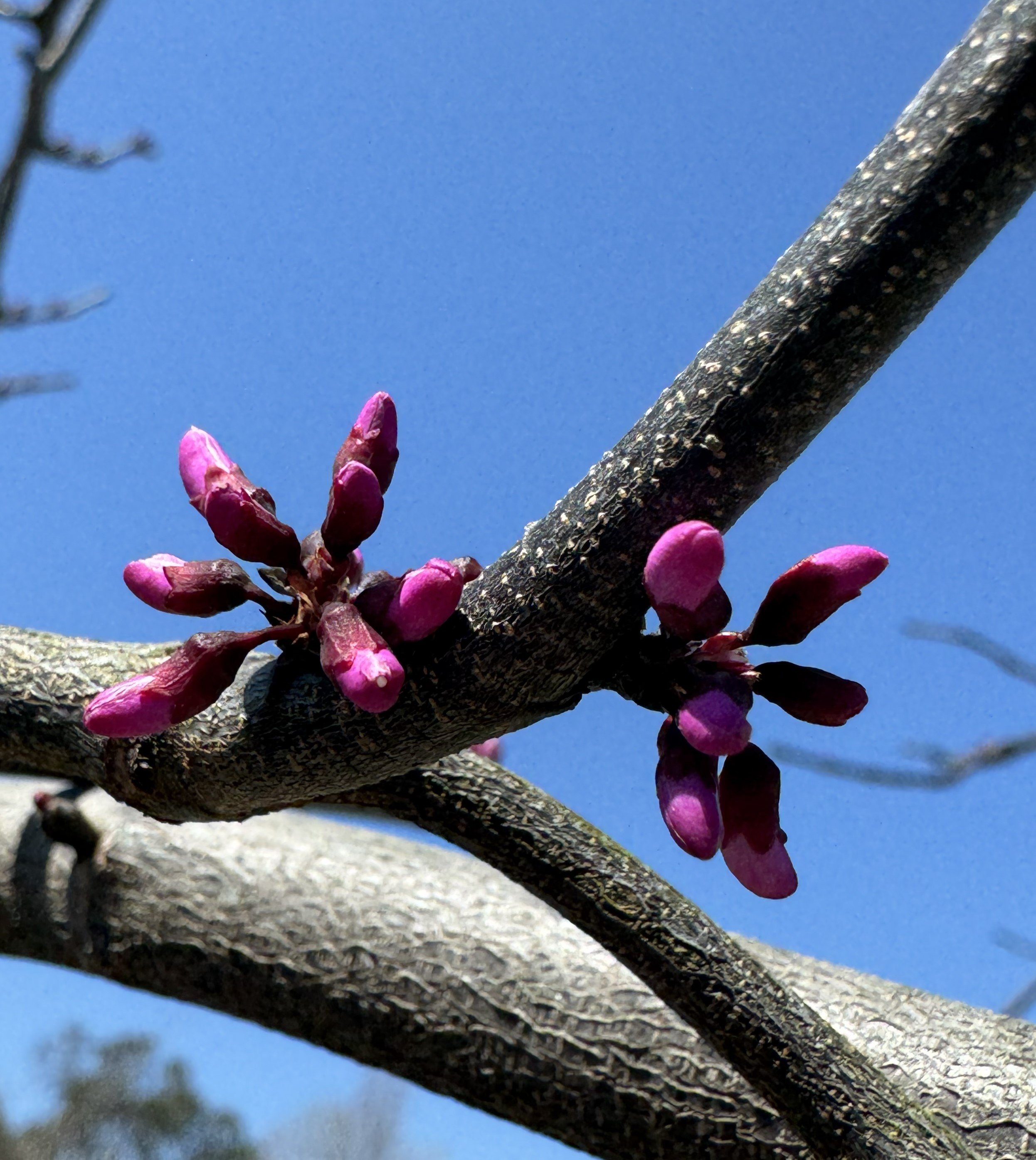
Known as the harbinger of spring, the American redbud’s delicate blossoms and buds are one of the season’s most dramatic displays. But this tree’s beauty doesn’t end with its flowery show. Unique and irregular branching patterns combine with a trunk that commonly divides close to the ground to create a very handsome, spreading and often flat-topped crown. Even in winter, covered with snow, the American redbud is stunning. This species will add a lot of elegance to any space.
The early blossoms draw in nectar-seeking insects, including several species of early-season butterflies. Northern bobwhite and a few songbirds, such as chickadees, will eat the seeds. It can be used for nesting sites and nesting materials, and it also provides shelter for birds and mammals.
Growth Habit: Rounded, vase-like, Multi-trunked 20' - 30' feet high by 25' - 35' feet wide
Native Origin: Native to North America
Hardiness Zone: 4-9
Environmental Needs: Full Sun, Partial Sun/Shade, Acidic, Alkaline, Clay, Loamy, Moist, Rich, Sandy, Well Drained
Growth rate: Moderate
Maintenance: It does not tolerate root disturbance, so plants should be placed in their permanent positions as soon as possible and should be kept well-watered until established. Because its branches tend to break, the tree should be sited in a relatively protected area. Regular watering, fertilization, and pruning out dead branches as needed will keep the tree vigorous. It may also be planted as a street or lawn tree but is very sensitive to herbicides and chemicals sprayed on lawns.
Known as the harbinger of spring, the American redbud’s delicate blossoms and buds are one of the season’s most dramatic displays. But this tree’s beauty doesn’t end with its flowery show. Unique and irregular branching patterns combine with a trunk that commonly divides close to the ground to create a very handsome, spreading and often flat-topped crown. Even in winter, covered with snow, the American redbud is stunning. This species will add a lot of elegance to any space.
The early blossoms draw in nectar-seeking insects, including several species of early-season butterflies. Northern bobwhite and a few songbirds, such as chickadees, will eat the seeds. It can be used for nesting sites and nesting materials, and it also provides shelter for birds and mammals.
Growth Habit: Rounded, vase-like, Multi-trunked 20' - 30' feet high by 25' - 35' feet wide
Native Origin: Native to North America
Hardiness Zone: 4-9
Environmental Needs: Full Sun, Partial Sun/Shade, Acidic, Alkaline, Clay, Loamy, Moist, Rich, Sandy, Well Drained
Growth rate: Moderate
Maintenance: It does not tolerate root disturbance, so plants should be placed in their permanent positions as soon as possible and should be kept well-watered until established. Because its branches tend to break, the tree should be sited in a relatively protected area. Regular watering, fertilization, and pruning out dead branches as needed will keep the tree vigorous. It may also be planted as a street or lawn tree but is very sensitive to herbicides and chemicals sprayed on lawns.