
 Image 1 of 1
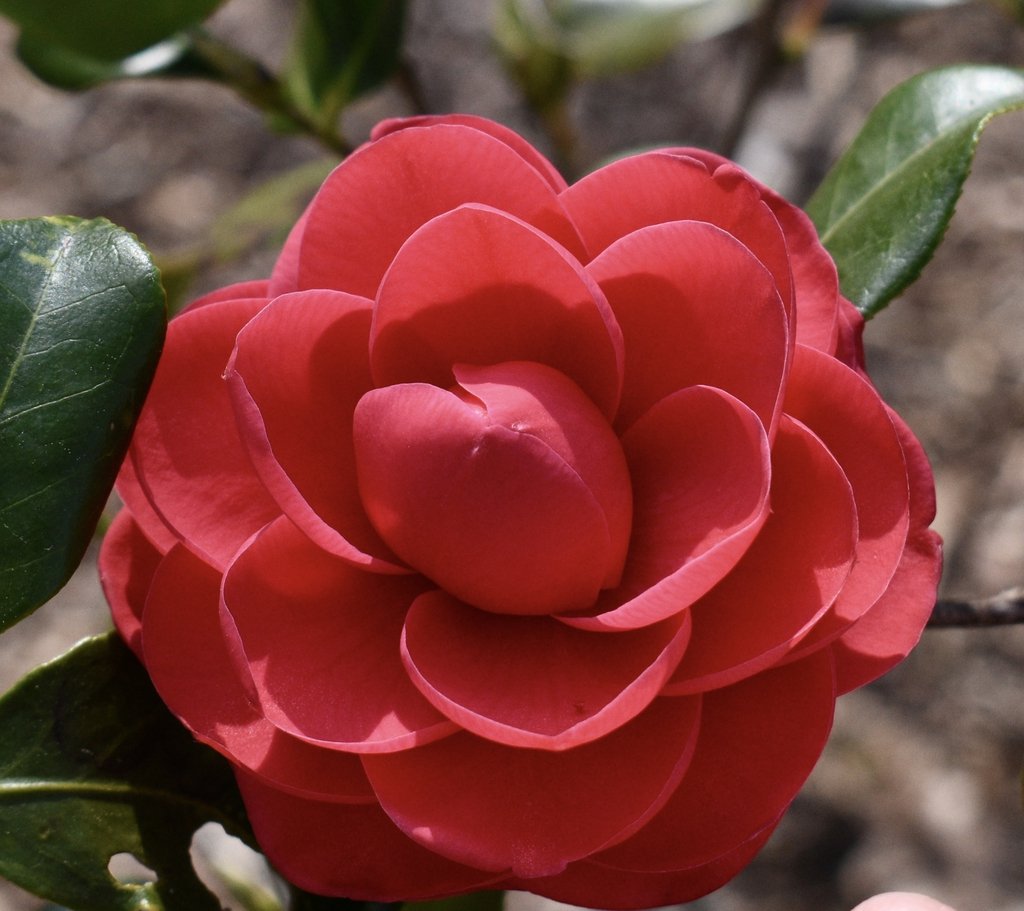
The October Magic Camellia creates an explosion of color during the fall and winter seasons. Small salmon-rose double flowers appear in clusters as other plants are just beginning to lose their leaves. The dark emerald green leaves provide an eye-catching, glossy background that contrasts elegantly with the rich magenta blooms. This evergreen has a dense, uniform habit that makes maintaining the October Magic Rose effortless. Camellias thrive in slightly acidic soil, and applying a slow-release granular fertilizer yearly will keep this plant vigorous and productive.
Growth Habit: Columnar, dense, 10 ft.-13 ft. tall by 5 ft.- 10 ft. wide
Native Origin: China, Korea, Japan
Hardiness Zone:7-9
Environmental Needs: Part Shade
Growth Rate: Slow
Maintenance: Camellia prefers shade to part-shade with some protection from drying winter winds and well-drained soils that are high in organic matter and slightly acidic. Excess sun, cold, or shade can reduce flowering. Because next year's blossoms appear on old growth, prune immediately after flowering or in early summer. Pruning later in the year may sacrifice next year’s blooms. Propagate camellia by stem cuttings or layering.
The October Magic Camellia creates an explosion of color during the fall and winter seasons. Small salmon-rose double flowers appear in clusters as other plants are just beginning to lose their leaves. The dark emerald green leaves provide an eye-catching, glossy background that contrasts elegantly with the rich magenta blooms. This evergreen has a dense, uniform habit that makes maintaining the October Magic Rose effortless. Camellias thrive in slightly acidic soil, and applying a slow-release granular fertilizer yearly will keep this plant vigorous and productive.
Growth Habit: Columnar, dense, 10 ft.-13 ft. tall by 5 ft.- 10 ft. wide
Native Origin: China, Korea, Japan
Hardiness Zone:7-9
Environmental Needs: Part Shade
Growth Rate: Slow
Maintenance: Camellia prefers shade to part-shade with some protection from drying winter winds and well-drained soils that are high in organic matter and slightly acidic. Excess sun, cold, or shade can reduce flowering. Because next year's blossoms appear on old growth, prune immediately after flowering or in early summer. Pruning later in the year may sacrifice next year’s blooms. Propagate camellia by stem cuttings or layering.